
Intention vs Expectation
There is something that happens before a session even begins that I have come to pay closer and closer attention to over the years. It is not something we always name, and often it goes unnoticed, but it is there, shaping the entire experience before the first sound is even made. It lives in that inner space where we arrive with an intention, or what we believe is intention, and how easily that can begin to lean into expectation without us realizing it.
This happens for the person receiving, and it happens for the practitioner as well.
A client may come in hoping for release, for clarity, for something to shift in a way that feels tangible and real. A practitioner may enter the space with a quiet sense of wanting the session to land, to support, to move something in a way that can be felt or seen. None of this is wrong. It is human. But there is a subtle tightening that can happen when intention begins to carry a shape, when it starts to anticipate a certain kind of outcome.
And when that happens, the experience itself begins to be measured, even if only in the background. Something inside is listening not just to what is, but to what should be. It is often in those moments that someone will say afterward that nothing happened, when in reality the experience simply did not match what they were expecting to feel.
Sound does not always meet us in ways that are immediately recognizable, and this is where the distinction between intention and expectation becomes something we do not just understand, but something we practice.
The Role of the Practitioner
Over time, I have come to feel that one of the most important shifts we make as practitioners is in how we relate to outcome.
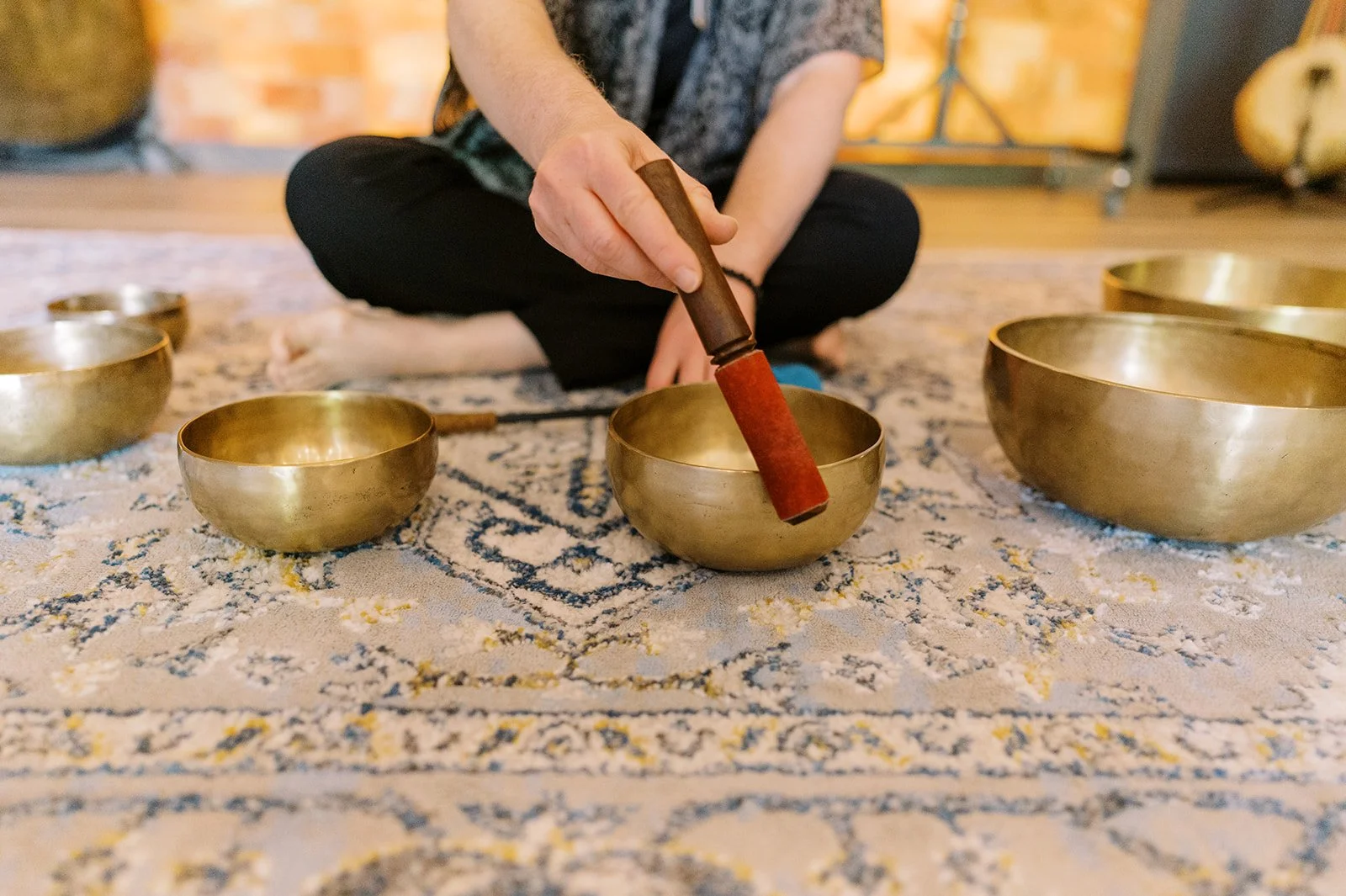
There can be a tendency, especially early on, to feel that we are responsible for creating something in another person, that we are here to heal, to fix, to move energy, to create a result that is noticeable and meaningful. And while the desire to support is at the heart of this work, there is also something in that orientation that can quietly place pressure on the space.
Because when we begin to feel responsible for what happens, we also begin to track it. We listen differently, we watch more closely, and we look for signs that something is working. In doing so, we can move slightly out of presence and into evaluation, even if we are not aware that it is happening.
What I have come to understand is that we are not here to heal anyone. We are here to hold a space in which a person’s own system can do what it already knows how to do.
And this is where the role of the client becomes just as important, because this work is not something that is done to someone, but something that happens in relationship. Their attention, their openness, their willingness to meet themselves, and even their resistance all become part of what is unfolding.
Healing is not something that can be given. It is something that is engaged with, and often the depth of that engagement is reflected in the quiet agreements we make with ourselves, the ways we choose to show up, and the ways we continue to listen even after the session has ended.
The practitioner facilitates, and the client participates, and somewhere in that meeting something begins to take shape that belongs to neither one alone.
Experience and Integration
So much of how we understand whether something “worked” is based on what was experienced in the moment. Was there emotion, was there sensation, did something shift in a way that could be clearly felt or described, is the pain gone? These are often the markers people look for, both as clients and as practitioners, because they are immediate and recognizable.
But there is another layer to this work that is not always visible right away, and that is integration.
There are sessions where nothing dramatic seems to happen. The experience may feel quiet, or even uneventful, and it can be easy in those moments to assume that nothing meaningful has taken place. And yet, days later, something feels different. A response is softer, a reaction that once came quickly now has more space around it, and there is a sense of ease that was not there before, even if it is difficult to point to exactly when that change began.
Integration does not always make itself known in the moment, and it often becomes visible over time, in the way we begin to meet our lives differently.
A Different Way of Understanding “What Works”
I often return to this question of what we are really asking when we say we want something to “work,” because embedded in that question is usually an assumption about what working is supposed to look like. For many people, it is tied to something visible or immediate, something that can be felt, expressed, or clearly identified in the moment.
And yet, some of the most meaningful experiences I have witnessed in this work would not meet those criteria at all.
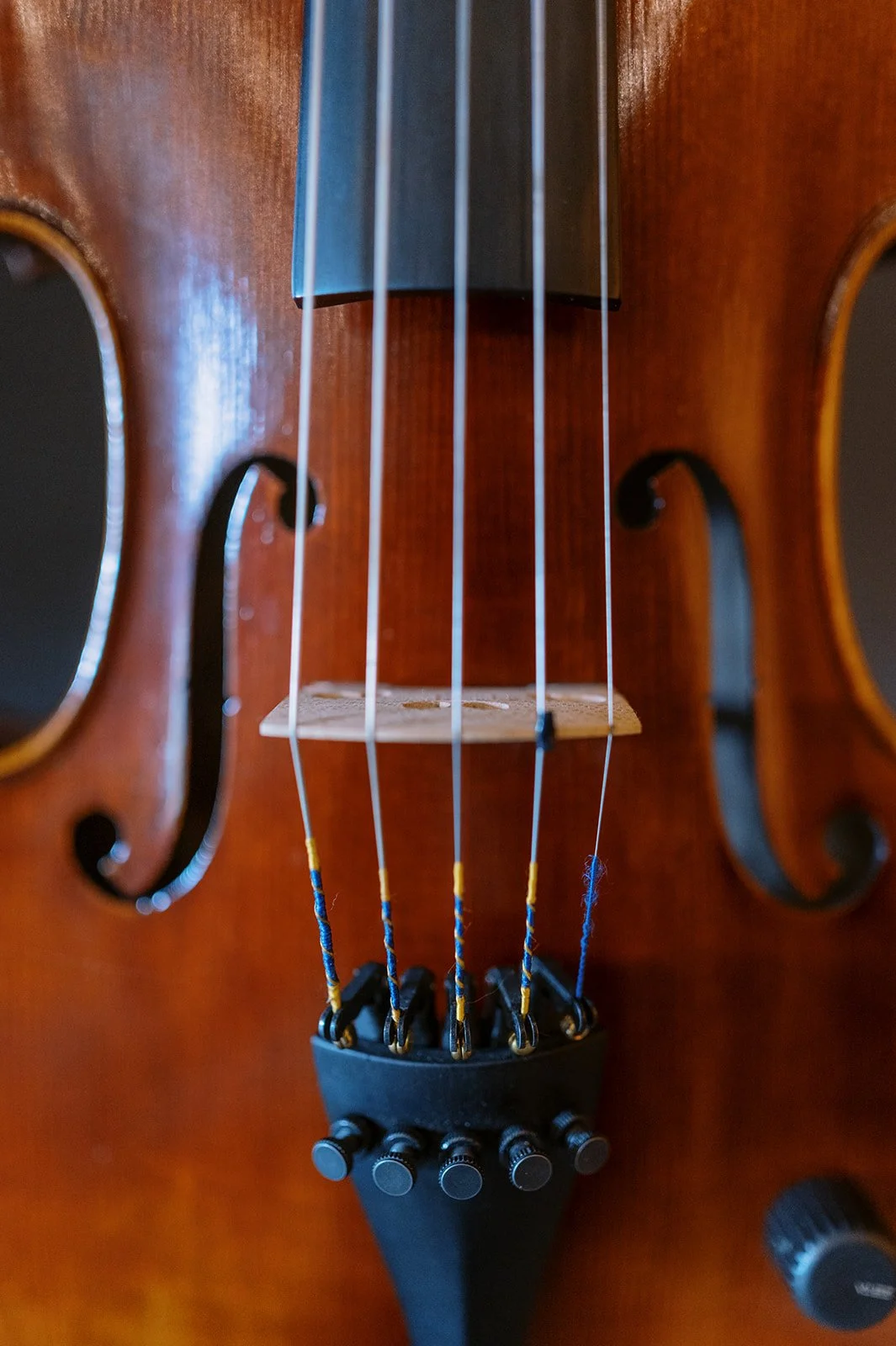
I think back to time spent playing in a memory care and advanced dementia wing, walking in with a few bowls in hand and a violin over my shoulder, not knowing what the response would be, or if there would be one at all. Some residents were asleep, some were sitting quietly with the television on, others seemed to be in their own world, disconnected from what was happening around them.
There was no expectation that something should happen, only an offering.
As I began to play, first softly, then allowing the music to take shape, something began to shift in a way that was not immediate, but was unmistakable. Eye contact started to return. A smile here, a small movement there. People began to look at one another. Hands reached out. When the melody of “You Are My Sunshine” emerged on the violin, voices slowly joined in, some quiet, some strong, and one gentleman stood up, took a caretaker by the hand, and began to dance.
If I had been measuring that moment by a clinical or outcome-based definition of “working,” I might have missed it entirely. There was no verbal processing, no clear explanation, no way for the residents to articulate what they were experiencing. And yet, there was connection, there was presence, there was joy, and there was relationship.
That, too, is part of this work.
Listening, Allowing, and “Dreaming Forth”
There is a quality of listening that this work asks of both practitioner and client, and it goes beyond simply hearing sound. It is a listening that requires presence, a willingness to stay with the experience as it is, without needing to shape it into something else or move it toward a particular outcome.
Allowing becomes an essential part of this process, not as passivity, but as an active release of control. It is the moment when we notice ourselves holding onto what should happen and choose, again and again, to let that go. This applies to both practitioner and client, because both can hold expectation, and both can soften it.
Within that space of allowing, something else begins to open. There is a creative quality to it, a sense of making space for what has not yet taken form. I often think of this as a kind of dreaming forth, not in the sense of directing the experience, but in allowing something new to emerge without already knowing what it will be.
When we are not clinging to an outcome, we begin to notice what is already present, and it is often from that place that something meaningful begins to unfold.
Redefining Healing
All of this brings us back to the word healing, and what we understand that word to mean.
And while I have, at times, witnessed what could only be described as “miracles,” moments that are immediate, visible, and undeniable in their impact, I have also come to recognize that these are not the standard by which all healing should be measured.
If healing is something that must always be immediate, visible, or clearly defined, then much of this work will fall outside of that definition. But if healing includes subtle shifts, moments of connection, increased ease, and changes that unfold over time, then it becomes something much more expansive.
Healing is not always a moment that can be pointed to. More often, it is something that continues beyond the session, shaped by both the space that was held and the way a person chooses to meet themselves afterward.
In that sense, healing is not something we create or deliver. It is something we support, something we witness, and something that each person participates in through their own awareness and engagement.
Conclusion
There are sessions where nothing dramatic seems to happen, and those can be the easiest to question, especially when we are still holding onto an idea of what the experience should have been.
And yet, I have come to be very careful with what I assume in those moments, because what is happening is not always visible in the ways we expect. Sometimes it reveals itself later, in the way a person moves through their life with a little more ease, or in how they respond differently to something that once felt overwhelming. Sometimes it is simply the experience of being in a space where nothing was required of them, where they did not have to perform, fix, or become anything other than what they already are.
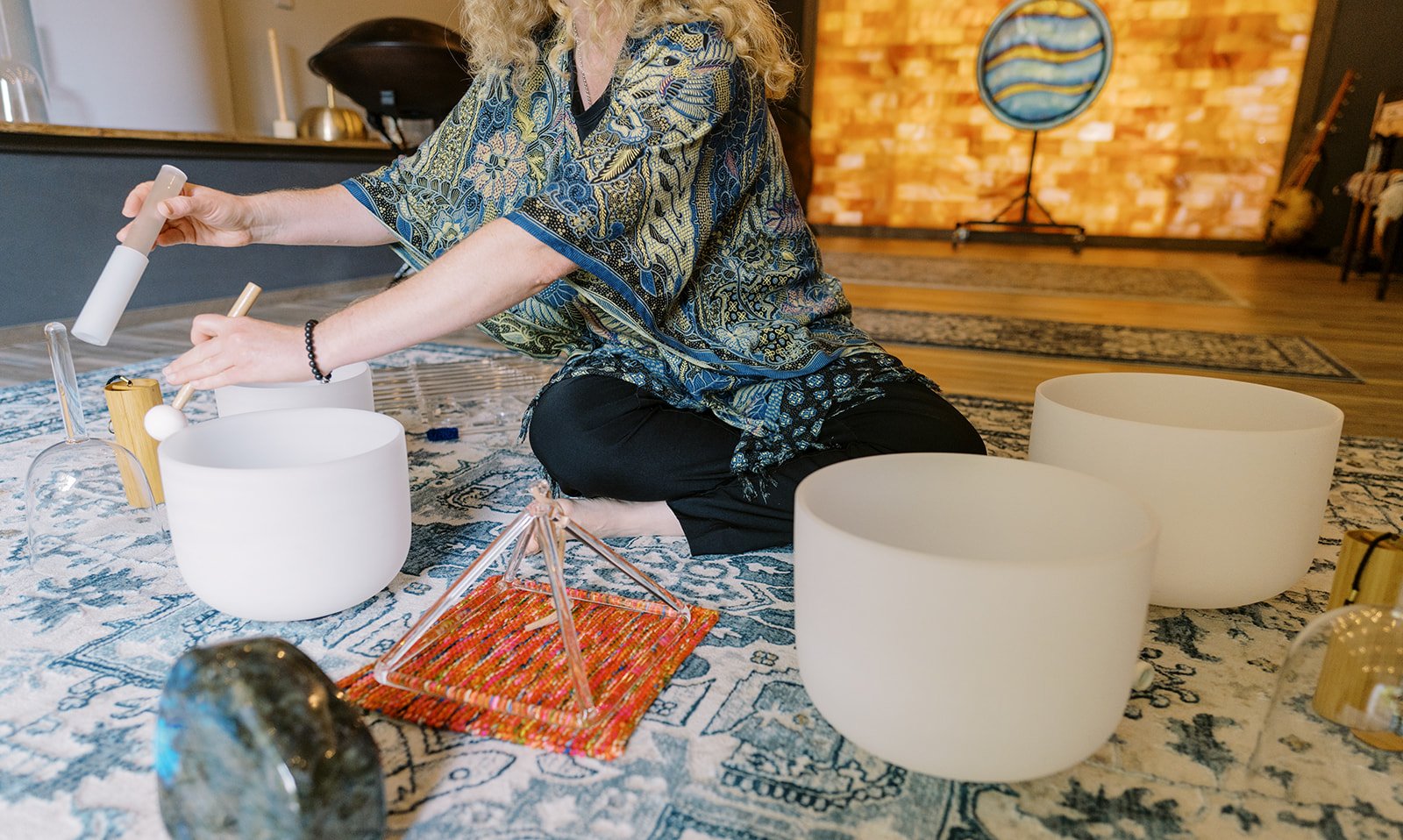
So perhaps the question is not whether sound “worked,” but whether we are willing to release the need for it to look a certain way, and instead remain open to the many ways something can unfold, both within the session and beyond it.
– Natalie Brown